
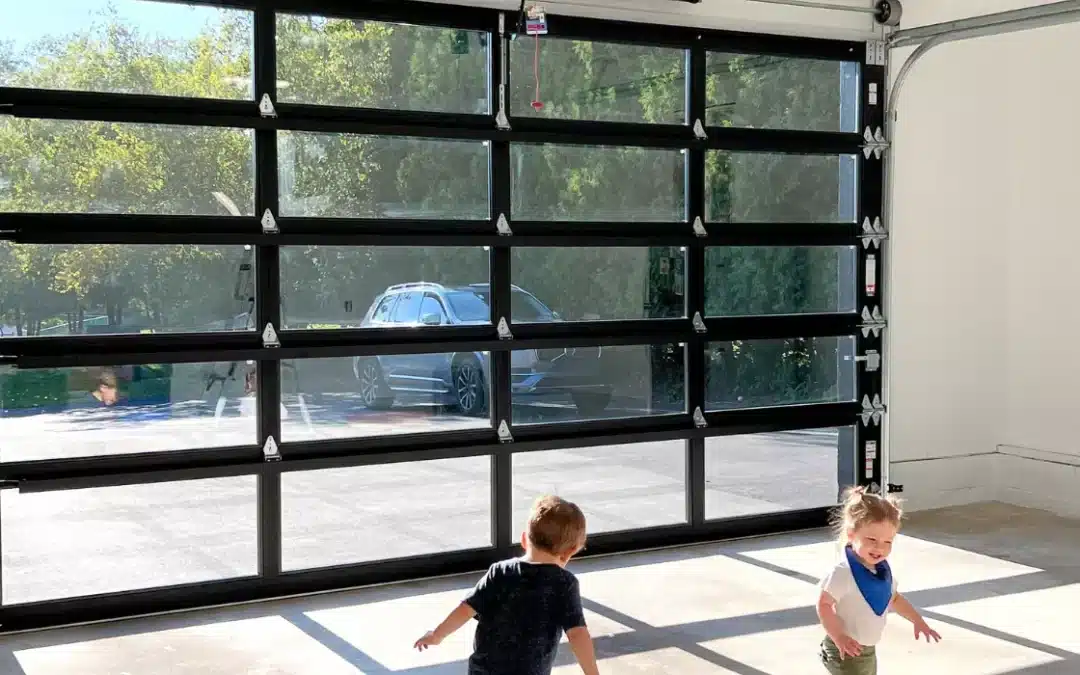
Many homes technically have windows. But that does not mean they feel bright.
You can have plenty of square footage, decent ceiling height, and even outdoor space, yet the interior still feels boxed in. Light enters in small doses. Corners stay dim. Rooms closest to the patio or backyard never quite benefit from what is outside.
This is where glass garage doors change the equation.
They do not just let in light the way a window does. They reshape how daylight enters the home, how far it travels, and how the interior responds to it. When designed correctly, glass garage doors turn daylight into a structural feature, not a decorative extra.
This guide explains how that works, where the biggest lighting impact happens, and what to consider if your goal is brighter, more usable interiors.
Why many homes struggle with natural light
A lack of daylight is rarely about the sun itself. It is usually about how the home is built.
Common light-blocking issues include:
- Solid exterior walls facing patios or backyards
- Narrow sliding doors that limit opening width
- Deep floor plans that trap light near the perimeter
- Converted garages or bonus rooms with poor window placement
- Rooflines and overhangs that shade vertical windows
Even in sunny climates, these design choices keep daylight stuck at the edges of the home. Interior rooms rely heavily on artificial lighting, especially during mornings and late afternoons when the sun angle shifts.
True daylighting requires width, height, and visual openness, not just more glass in small sections.
How glass garage doors change daylighting inside the home
They replace a wall, not just a window
A traditional window brings light through a framed opening. A sliding door improves access but still limits the width of that opening.
Glass garage doors remove the wall altogether.
When the door is closed, the full panel acts as a floor-to-ceiling glass surface. When it is open, the entire wall disappears, allowing daylight to move freely and deeply into the interior.
This is one of the most effective ways to improve daylighting in spaces that previously felt dim, even with multiple windows.
They allow light to travel farther into the interior
Light does not just enter a room. It reflects, spreads, and fades as it moves.
Because glass garage doors create a wide, uninterrupted opening, daylight is able to:
- Reach deeper into open-plan living areas
- Brighten adjacent rooms without direct windows
- Reduce shadowed zones near ceilings and corners
- Soften transitions between indoor and outdoor spaces
The result is not harsh brightness. It is even, natural illumination that makes interiors feel calmer and more balanced throughout the day.
This is why homeowners often describe the space as feeling “lighter” even before turning off overhead lights.
They improve bright interiors without visual clutter
Large windows can sometimes feel busy. Multiple frames. Divided panes. Interrupted sightlines.
Glass garage doors simplify the visual field.
The clean panel layout allows daylight to enter without breaking up the view. This creates brighter interiors that still feel organized and intentional rather than overexposed or chaotic.
Even when closed, the transparency keeps the interior connected to the outdoor environment, which has a noticeable effect on how light is perceived inside the space.
Where glass garage doors make the biggest lighting difference
You do not need to install them everywhere. Placement matters more than square footage.
Converted garages and bonus rooms
Converted garages often suffer from poor daylighting. One small window or none at all leaves the space feeling artificial.
Replacing the original garage opening with a glass system instantly transforms the room into a usable, light-filled space suited for lounges, studios, gyms, or home offices.
Living rooms that back onto patios
Living rooms near patios frequently rely on sliding doors that restrict both movement and light.
A glass garage door allows daylight to spread across the entire room, making seating areas brighter and reducing the need for daytime lighting, especially in open-concept layouts.
Kitchens and dining spaces near outdoor areas
Kitchens benefit enormously from natural light. When the kitchen backs onto a patio or yard, a glass opening allows daylight to illuminate work surfaces, dining tables, and circulation areas simultaneously.
This supports bright interiors while also improving how the space functions throughout the day.
Pool rooms and entertainment areas
Spaces designed for gathering often feel closed off once the sun sets or when doors are shut.
Glass garage doors maintain visual openness even when closed, allowing daylight to support energy and atmosphere during daytime use.
Natural light and energy-saving design
Brighter interiors are not just about appearance. They influence how a home uses energy.
When daylight reaches deeper into the home:
- Artificial lighting is needed less often
- Lights stay off longer during the day
- Rooms feel comfortable earlier in the morning and later in the afternoon
This supports energy-saving design by reducing reliance on overhead lighting without sacrificing usability.
The key is choosing the right glass and orientation so light is welcomed without creating glare or overheating.
Practical considerations before installing glass garage doors
Natural light should improve comfort, not create new problems. These factors matter.
Glass type and sun exposure
Not all light behaves the same.
Depending on orientation, homeowners may choose:
- Clear glass for maximum daylight and outdoor connection
- Tinted glass to soften brightness and reduce glare
- Frosted glass for privacy while still allowing light diffusion
The goal is controlled daylight, not harsh exposure.
Heat, ventilation, and comfort
Bright interiors should still feel comfortable.
Many homeowners pair glass garage doors with:
- Ceiling fans to circulate air
- Planned cross-ventilation
- Shading elements or overhangs
These choices help balance daylight with thermal comfort, especially during warmer months.
Screens and daily usability
Natural light is only enjoyable if the space is usable.
Retractable screens are one of the most common additions, allowing the door to stay open while keeping insects out and airflow moving.
Structural quality and performance
A daylight-focused opening still needs to feel solid.
The frame, tracks, and operation should support smooth movement, proper sealing, and long-term durability. A glass system should enhance the home without feeling fragile or temporary.
How to design for brighter interiors beyond the door
The door creates the opening. The layout completes the effect.
To maximize daylight impact:
- Use flooring that visually continues toward the opening
- Position furniture to face the light source
- Avoid blocking the opening with tall furniture
- Layer lighting so artificial light supports, not replaces, daylight
These decisions help daylight become part of the home’s rhythm rather than an occasional feature.
A brighter home starts with the right opening
Glass garage doors do more than add visual appeal. They reshape how natural light enters, moves, and supports daily life inside the home.
By opening entire walls instead of small sections, they create brighter interiors, improve daylighting, and support energy-smart living without sacrificing comfort or usability.
All Glass Garage Doors manufactures modern glass garage door systems designed to bring in natural light while supporting clean openings, smooth operation, and intentional indoor-outdoor design. Share your opening dimensions and how you plan to use the space, and the right system can be tailored to fit both light and lifestyle goals.
FAQs: Glass Garage Doors and Natural Light
Do glass garage doors actually make a room brighter than windows?
Yes. Because they replace a full wall section rather than a framed opening, they allow more daylight to enter and spread deeper into the interior.
Will glass garage doors cause glare inside the home?
Glare depends on orientation and glass choice. Tinted or frosted options help soften brightness while still supporting daylighting.
Are glass garage doors suitable for energy-saving design?
They can be. By reducing the need for artificial lighting during the day, they support energy-efficient living when paired with the right glass and ventilation strategy.
Which rooms benefit most from increased natural light?
Living rooms, kitchens, converted garages, lounges, and entertainment spaces benefit the most, especially when they connect to patios or backyards.
Do glass garage doors still let light in when closed?
Yes. Even when closed, the glass panels maintain visual openness and allow daylight to illuminate the interior.
Can I maintain privacy while increasing natural light?
Yes. Frosted and tinted glass options allow light to pass through while reducing visibility into the home.
Do I need screens if I want to keep the door open?
Most homeowners choose retractable screens so they can enjoy daylight and airflow without insects entering the space.
Is this upgrade only for modern homes?
No. While the look is clean and contemporary, the door can be configured with finishes and glass types that suit a wide range of architectural styles.