
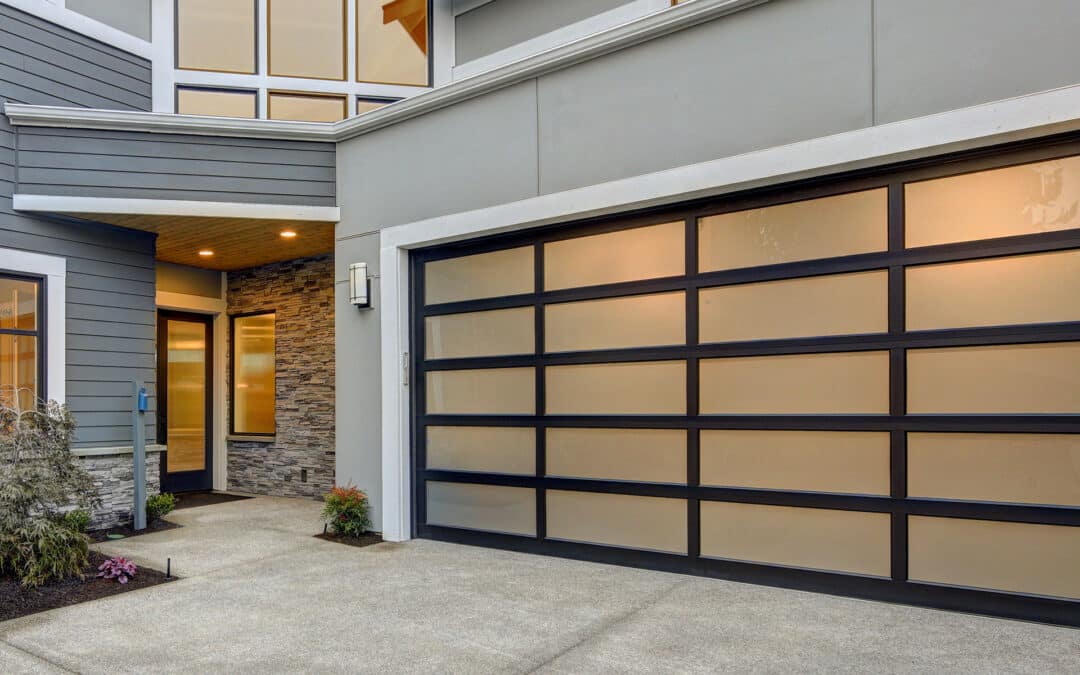
A garage door is usually the largest moving surface on the front of a house, but it is one of the last things many people think about. That is how expensive homes end up with doors that feel “builder basic,” fight against the architecture, or wear out faster than they should.
If you want to avoid the most common garage door mistakes, it helps to think like a designer and an engineer at the same time. The door has to look right from the street and work properly every day, especially if you are considering glass or a more modern style.
Below are five mistakes that show up again and again, along with practical garage door selection tips and ideas from a real-world glass garage door guide.
Mistake 1: Choosing a Door That Ignores the Architecture
One of the biggest garage door mistakes is picking something out of a catalogue without really looking at your house first.
Common signs this has happened:
- A busy stamped pattern on a modern home with clean lines
- Faux “carriage” details bolted onto a contemporary façade
- Small raised panels fighting with large, simple window proportions
Instead of starting with the brochure, start with your elevation.
Ask yourself:
- Is your home modern, transitional, coastal, Mediterranean, or something else?
- Are the lines mostly horizontal or vertical?
- Are the windows divided or full-view?
Once you have answered those questions, you can use a few simple home design advice rules.
- Modern architecture usually pairs best with full-view glass, large panels, and simple frames.
- Traditional homes often look better with clean recessed panels and fewer, simpler details.
- Coastal properties benefit from designs that feel light and open instead of heavy and ornate.
You do not want guests to notice the garage door before the house. You want the door to feel like it was designed with the façade from day one.
Mistake 2: Forgetting That Light and Privacy Must Be Balanced
Homeowners often split into two camps. One group avoids glass completely because they worry about privacy. The other falls in love with full glass and then feels exposed once the door is installed. Both are preventable mistakes.
A better approach is to think about what happens inside the garage and what you want from the light.
If the garage is mainly storage, you might want:
- Frosted or satin-etched glass that lets in light but hides clutter
- Higher glass panels with solid lower sections to block direct views
- Tinted glass that softens the view during the day
If the space doubles as a gym, studio, or living area, a glass garage door guide would push you toward:
- Full-view glass to bring in as much daylight as possible
- Clear glass on private sides of the property and more protected tint at the street
- Consistent sight lines between the door and the home’s other windows
The design mistake is not the glass itself. It is ignoring how that glass changes privacy and light all day long. When you plan those two things together, a glass door becomes an asset instead of a regret.
Mistake 3: Picking Colors and Finishes in Isolation
Many people choose a garage door color by pointing at a sample in a showroom. On a full-sized façade in South Florida sun, that tiny decision can look completely different.
Typical problems here include:
- A frame color that almost matches the trim but is just off enough to look wrong
- A white door that looks harsh next to warmer stucco or stone
- A dark frame that looks heavy because nothing else on the elevation is that dark
To avoid those garage door mistakes, treat the door like any other major design element.
Simple garage door selection tips for color and finish:
- Test colors against the house in real daylight, not just under indoor lighting
- Echo existing elements, such as window frames, balcony rails, or metal accents
- Decide whether you want the door to blend in or intentionally stand out
For glass systems, the frame finish and the glass tint work together. A black or bronze frame with clear glass feels very modern. A warm-tone frame with satin glass reads softer and works well on homes that mix modern shapes with warmer materials.
If you pick those finishes in isolation, the door can look like it came from another project. If you match them to what is already there, the entire elevation feels more expensive.
Mistake 4: Ignoring How You Actually Use the Space Behind the Door
Many homeowners think only about the view from the street. The bigger mistake is ignoring what happens right behind that door every day.
Ask yourself:
- Is this a car bay, a workshop, a gym, a lounge, or a mix of all of these?
- Will people spend time in this space, or is it purely storage?
- Does noise from the street bother you when you are inside?
Your answers change what “good design” means.
If you use the garage like an extra room, a glass system often makes sense. You gain:
- Daylight that makes the space feel finished, not temporary
- A visual connection to the outside, especially toward a yard or pool
- A more welcoming feel for guests, kids, or clients who use that area
If your priority is insulation and quiet, your home design advice may push you toward:
- Door constructions that limit heat transfer from direct sun
- Glass choices and seals that reduce noise from the street
- Hardware sized for thicker, heavier panels that perform under daily use
The mistake is choosing based only on catalog photos without checking whether that door works for how you live. The right design should improve both the look of the house and the way you use that square footage.
Mistake 5: Treating Hardware and Climate as an Afterthought
The final mistake is focusing entirely on the visible surface of the door and forgetting about the mechanics that make it move. This becomes obvious very quickly in coastal climates like Miami and Fort Lauderdale.
Typical issues when hardware is an afterthought:
- Tracks and components that rust faster than expected
- Rollers and hinges that struggle with the weight of glass panels
- Openers that are undersized for the system and wear out early
- Poor seals that allow moisture, salt air, or noise into the garage
Good garage door selection tips always include a conversation about climate and usage. If you live near the coast or in a humid area, it is worth asking:
- How are the frames and components protected from corrosion?
- What type of hardware is used to manage the weight of glass or custom doors?
- How often should the system be serviced for the conditions in this area?
Here is where working with a specialist matters. A company that focuses on glass systems, like All Glass Garage Doors, designs around the realities of weight, salt, and daily use, not just the appearance on installation day.
Turning Garage Door Mistakes Into Smart Design Decisions
A garage door does not have to be the weak link in an otherwise well designed home. When you avoid the most common garage door mistakes and think through architecture, light, color, use of space, and climate, the door becomes a strength instead of a compromise.
If you are considering glass or modern styles and want a door that truly fits your home, your lifestyle, and your location, it helps to talk with a team that lives in this world every day. All Glass Garage Doors designs and manufactures glass garage doors with both design and performance in mind, so the door that looks right on day one still works and feels right years later.
FAQs: Garage Door Design & Selection
- What are the most common garage door mistakes homeowners make?
Some of the biggest garage door mistakes happen before installation: choosing a style that clashes with the house, picking the wrong color or finish, ignoring how much light or privacy is needed, and not thinking about climate or hardware. All of these decisions affect how the door looks and how long it lasts, so they should be part of your design plan from the start. - How can I choose a garage door that actually matches my home’s design?
Start by looking at your architecture: modern, traditional, coastal, Mediterranean, or something in between. Good home design advice is to match the door’s lines, panel layout, and frame color with your windows, trim, and other exterior details. When in doubt, keep the design simple and use garage door selection tips that focus on proportion, not decoration. - Are glass garage doors only for modern homes?
They are popular on modern homes, but a good glass garage door guide will tell you they also work on transitional and coastal designs when the frame and glass are chosen carefully. Frosted, tinted, or satin-etched glass can soften the look, while different frame colors can tie the door into warmer or more traditional exteriors. - How do I balance light and privacy with a glass garage door?
You do not have to choose between feeling exposed and blocking all the light. You can use higher glass panels with solid lower sections, frosted or satin glass for privacy, or tints that soften the view from the street. A thoughtful glass garage door guide always treats light and privacy as a pair, not separate decisions. - What garage door selection tips matter most in coastal or humid areas?
In harsher climates, hardware and finishes matter as much as looks. You want corrosion-resistant frames, quality tracks and rollers, and seals that keep out moisture and salt air. Ignoring those conditions is one of the costliest garage door mistakes because it shortens the life of the door and makes maintenance more frequent. - How important is color when choosing a garage door?
Color can make the door disappear into the façade or make it stand out in the worst way. Instead of picking from a tiny swatch in a showroom, test colors against your exterior in real daylight. Smart home design advice is to echo existing elements like window frames, railings, or trim so the door feels intentional, not random. - Should I design the garage door based on how I use the garage, not just curb appeal?
Yes. If your garage doubles as a gym, studio, or hangout space, you will appreciate more natural light and a door that makes the space feel finished. If it is mostly storage, privacy and durability may matter more. The best garage door selection tips always connect the design to how you actually live behind that door. - Are glass garage doors hard to maintain?
Maintenance is usually straightforward: regular cleaning of the glass, wiping frames, and periodic checks of tracks, rollers, and openers. A glass garage door guide will remind you that commercial-grade hardware and proper installation matter more than anything else for long-term performance. - Do custom or glass garage doors always cost much more than standard designs?
They are often a higher upfront investment, but they also carry more visual weight and can elevate the entire front of the house. When done well, avoiding key garage door mistakes and following solid home design advice can make that investment feel justified every time you pull into the driveway. - How do I know if I should talk to a specialist instead of just ordering from a catalog?
If you care about matching the architecture, managing light and privacy, or exploring glass options, it is worth speaking with someone who lives in this space every day. A specialist can walk you through practical garage door selection tips and act as your glass garage door guide so you do not end up with an expensive door that feels wrong once it is installed.