
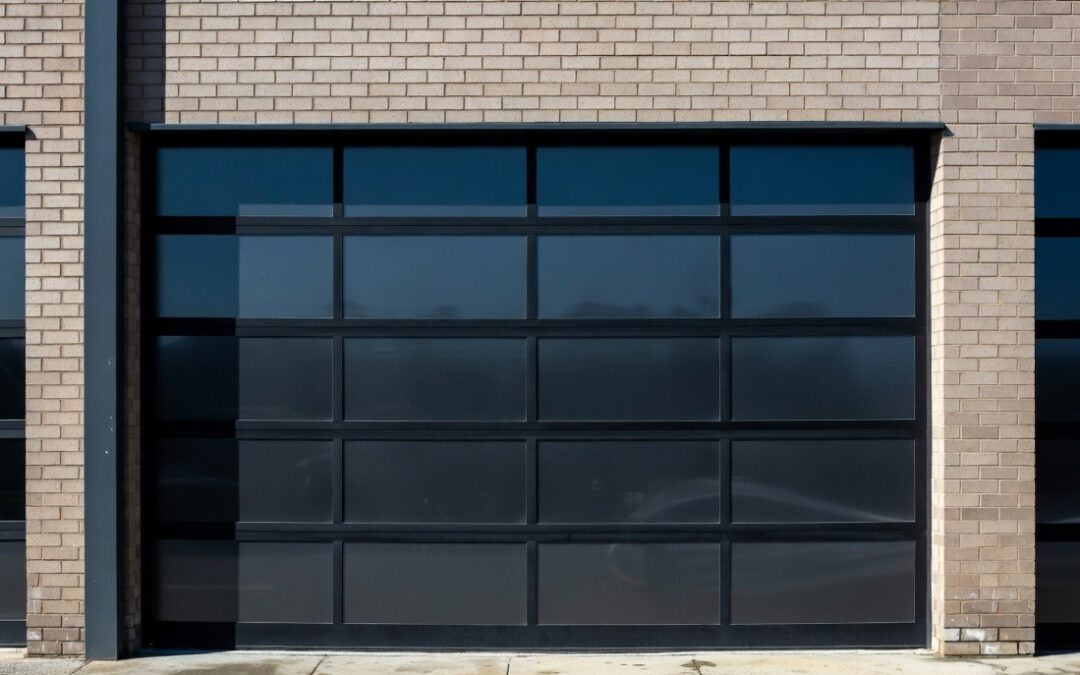
A tinted glass garage door does two things a standard clear glass door does not: it reduces how much people can see in, and it cuts the amount of heat and glare passing through the panels. In Florida, where sun exposure is relentless and garages double as workshops, gyms, and living-adjacent spaces, those two qualities matter more than they would in most other climates.
But tinted glass is not a single product. The tint level, the glass treatment, the frame style, and the door configuration all affect how much privacy and heat control you actually get, and they affect how the door looks from the street and from inside the garage. A lightly bronze-tinted door on a contemporary home reads very differently than a dark charcoal panel on the same facade, and the performance difference between the two is just as significant as the visual one.
This guide covers how tinted glass garage doors work, what the tint options actually do for heat, glare, and privacy, how tinted glass fits into frameless designs and specialty configurations like bifold and man door setups, and how to decide whether tinted glass is the right call for your specific home and use case.
How Tinted Glass Works in a Garage Door
Tinted glass gets its color and performance characteristics from one of two methods: a tint added to the glass during the manufacturing process, or a surface treatment applied after the glass is produced.
In-Glass Tinting
In-glass tinting, also called body tinting, means the color is part of the glass itself. Metal oxides are introduced during the float glass process, and the result is a panel that is uniformly tinted throughout its thickness. Bronze, gray, green, and blue are the most common body tint colors available for garage door applications.
Body-tinted glass absorbs solar radiation, which reduces the amount of heat transmitted through the panel into the space behind it. It also reduces visible light transmission, which is what creates the privacy effect and the reduction in glare. The deeper the tint, the more solar energy is absorbed and the more light is blocked.
The tradeoff is that body-tinted glass that absorbs a significant amount of solar energy can build up heat within the glass itself, which affects thermal performance and can be a consideration for very large panel sizes in direct Florida sun.
Surface Treatments and Coatings
Surface treatments include reflective coatings, low-emissivity films, and applied tint films that alter the glass’s optical and thermal properties without changing the base material. Reflective coatings create a mirror-like effect from the outside that provides strong privacy during daylight hours, since the exterior surface reflects light rather than allowing a clear view through the glass.
Low-emissivity coatings reduce heat transfer by reflecting infrared radiation rather than absorbing it. They are often combined with body tinting in insulated dual-pane panels to maximize both solar control and thermal performance.
Applied tint films are a retrofit option that can be added to existing clear glass panels, but they are not equivalent to factory-integrated treatments in terms of durability or consistency, and they are generally not recommended for garage door panels where the glass experiences vibration and temperature cycling.
What Tinted Glass Actually Does for Florida Homes
Understanding the practical effect of tinted glass helps buyers match the right specification to their actual needs rather than choosing based on appearance alone.
Heat and Solar Control
Florida’s solar intensity makes heat gain a real operational consideration for garages used as anything beyond parking. A garage that doubles as a workshop, gym, or bonus room is far more usable when its glass panels are reducing rather than amplifying the heat load.
A standard clear single-pane glass panel transmits most of the solar energy that hits it directly into the space behind it. A bronze or gray body-tinted panel absorbs a meaningful portion of that energy before it reaches the interior. A dual-pane insulated panel with a low-emissivity coating and a tint layer reduces heat transmission further still.
For Florida homeowners, the practical benefit shows up as a more comfortable interior temperature during daytime hours, reduced load on any air conditioning or ventilation in the space, and a garage environment that is more consistently usable during the warmest months of the year.
Privacy
Tinted glass reduces the ability of people outside the garage to see in, but the degree of privacy depends on the tint darkness, the lighting conditions on both sides of the glass, and the time of day.
During daylight hours, a darker tint on the exterior side relative to a darker interior creates effective visual privacy from the street. The same glass at night, with the garage interior lit and the exterior dark, reverses the dynamic, and interior visibility increases significantly regardless of the tint level.
For homeowners who want consistent privacy at all hours, tinted glass alone is not the complete answer. Frosted or textured glass, or a combination of tinting and surface treatment, provides more consistent opacity across varying light conditions. Understanding this distinction helps buyers set accurate expectations before specifying a tint level.
Glare Reduction
Glare from direct sun entering through clear glass panels can make a garage space uncomfortable to use during peak sun hours. Tinted glass reduces visible light transmission, which directly reduces glare. For spaces used as home offices, gyms, or workshops where sustained activity happens near the door, glare reduction has a practical benefit that goes beyond comfort.
Tinted Glass in Frameless Garage Doors
A frameless garage door removes the visible aluminum or steel frame from around each individual panel, creating a cleaner, more continuous glass surface that reads as a single plane rather than a grid of framed units.
Tinted glass works particularly well in frameless designs for a specific reason: without the frame interrupting the surface, the tint color and reflectivity are the primary visual elements the eye registers. A lightly bronze-tinted frameless door in full afternoon sun presents a warm, reflective surface that complements modern and contemporary architecture in a way that clear glass in the same configuration does not.
The structural considerations for tinted glass in a frameless garage door are also worth understanding. Frameless designs use thicker, heavier structural glass panels to compensate for the reduced structural contribution of the frame. Tinted glass in a frameless configuration is typically tempered or laminated for safety and rated to withstand the wind load requirements applicable to the installation address. In Florida, this means confirming that the tinted glass specification meets the Florida Building Code requirements and carries current product approval for the installation location.
The weight of frameless glass panels also affects opener selection. A direct-drive opener matched to the door’s actual weight is the standard recommendation for frameless glass configurations, and the opener should be specified after the door’s total weight is calculated, not before.
Tinted Glass and Bifold Garage Doors
Bifold glass garage doors operate differently from standard sectional garage doors. Instead of panels that roll up a track on the garage ceiling, bifold panels fold outward or inward on a hinge system, opening the full width of the bay without requiring overhead track space.
Tinted glass is a natural pairing with bifold glass garage doors for homes where the door is used as a large operable opening between interior or covered exterior spaces and the outdoors. A bifold door that opens a garage or covered lanai to the outside brings in significant light and heat when it is open, and a tinted glass specification for the panels reduces that solar load when the door is closed.
The bifold configuration also puts the glass at eye level and close range more consistently than a standard overhead door, which means the privacy and visual characteristics of the glass are more prominent in daily use. A tint level that reads as subtle from the street reads more distinctly when someone is standing two feet from the panel on either side.
Bifold garage doors require precise hardware and hinge systems that handle the folding load correctly, and the glass panels in a bifold configuration experience different stress patterns than panels in a sectional overhead door. Specifying tinted glass in a bifold door should involve confirming that the glass thickness, treatment, and lamination are appropriate for the bifold panel size and the operating loads of that specific configuration.
Tinted Glass in a Glass Garage Door With a Man Door
A glass garage door with a man door includes a standard walk-through entry door integrated into the garage door panel, allowing access without operating the full door. This configuration is useful for homes where the garage is a primary entry point and where the overhead door does not need to open for every entry and exit.
When the main garage door panels are tinted, the man door is typically matched to the same glass specification for visual consistency. A clear man door inset into tinted panels creates an obvious visual inconsistency that affects both the appearance of the door from the street and the privacy performance of the integrated design.
There are also practical considerations for tinted glass around a man door. The man door frame and hardware are additional elements that interrupt the glass surface, and in a frameless or minimal-frame tinted configuration, the man door assembly needs to be designed and finished in a way that reads as intentional rather than inserted. A garage door company experienced with glass garage door with main door configurations will specify the man door hardware and glass to match the main door’s frame finish and glass treatment as part of the initial design rather than as an afterthought.
Choosing the Right Tint Level for Your Home
Tint level is measured by visible light transmission, or VLT, which is the percentage of visible light that passes through the glass. A higher VLT percentage means more light passes through and the glass appears lighter. A lower VLT means less light passes through and the glass appears darker and more private.
Common tint levels for garage door applications in Florida and what they typically offer:
Light tint (VLT 70 to 80 percent): Subtle color, minimal privacy effect, modest solar control. Mostly aesthetic, best for homes where the visual warmth of a bronze or gray tint is desired without significant light reduction.
Medium tint (VLT 50 to 70 percent): Noticeable color, meaningful glare reduction, moderate privacy during daylight, moderate solar control. A practical starting point for Florida garages used as functional spaces.
Dark tint (VLT 20 to 50 percent): Strong privacy effect during daylight, significant glare and heat reduction, noticeable from the street. Better suited to garages in direct sun exposure or where consistent daytime privacy is a priority.
Very dark or reflective (VLT below 20 percent): Maximum privacy and solar control, mirror-like reflectivity from exterior. Most restrictive in terms of interior natural light. Best for specific use cases where privacy and heat control outweigh the desire for interior daylight.
The right tint level depends on the orientation of the garage, the amount of direct sun exposure the door faces, how the interior space is used, and the visual effect desired from the street. A south-facing garage in direct afternoon sun has different needs than a north-facing garage in a shaded lot, and the tint specification should reflect the actual conditions at the installation address.
When Tinted Glass Is the Right Choice
Tinted glass is worth specifying when one or more of the following applies to your situation:
The garage faces south or west and receives significant direct sun during peak hours. The heat and glare control a tinted and insulated panel provides will make a measurable difference in usability.
The garage is used as a functional space beyond parking. A workshop, gym, office, or studio benefits from reduced glare, more stable temperatures, and consistent daytime privacy.
The home’s exterior design calls for a warm or architectural glass tone rather than clear glass. Bronze and gray tints complement contemporary and transitional architecture in ways that clear glass does not.
Privacy from the street is a consideration during daylight hours. A medium to dark tint provides effective visual screening without requiring frosted or opaque panels that eliminate the glass aesthetic entirely.
The garage door configuration includes frameless, bifold, or man door elements where the glass surface is visually prominent and the tint’s aesthetic contribution is part of the design intent.
When Tinted Glass May Not Be the Right Choice
Tinted glass is not the right specification in every situation.
If the garage is north-facing or naturally shaded and natural light is a priority for how the space is used, a medium or dark tint may reduce interior daylight more than the heat and privacy benefits justify.
If consistent privacy at all hours, including nighttime with the interior lit, is the primary requirement, tinted glass alone will not deliver that. Frosted, acid-etched, or laminated obscure glass provides consistent opacity regardless of interior and exterior lighting conditions.
If the home’s exterior is traditional, craftsman, or architectural styles where the visual warmth of tinted glass would read as inconsistent with the design language, clear or frosted glass may be a better fit.
If the project budget is a primary constraint, tinted insulated glass costs more than standard clear insulated glass. The performance benefits are real, but the cost difference should be evaluated against the actual conditions at the installation address.
Get the Right Glass Specification for Your Home
Tinted glass is one of the more nuanced decisions in a glass garage door specification, and the right answer depends on how the garage faces, how the space is used, what the home’s exterior design calls for, and what privacy and solar control level the homeowner actually needs.
All Glass Garage Doors works with Florida homeowners to specify the right glass type, tint level, and door configuration for each project. Contact us to schedule a consultation and get a clear recommendation based on your specific home and installation conditions.
Frequently Asked Questions
What is a tinted glass garage door?
A tinted glass garage door uses glass panels that have been treated or manufactured with a color tint that reduces visible light transmission and solar heat gain compared to clear glass. Tints are available in bronze, gray, green, and blue tones, and the depth of the tint determines the degree of privacy, glare reduction, and solar control the door provides.
Does tinted glass provide privacy in a garage door?
Yes, during daylight hours. When exterior light is brighter than interior light, a medium or dark tint makes it difficult to see into the garage from the street. At night, with the interior lit and the exterior dark, the dynamic reverses and interior visibility increases. For consistent all-hours privacy, frosted or textured glass provides more reliable opacity than tint alone.
How does tinted glass reduce heat in a Florida garage?
Tinted glass absorbs solar radiation rather than transmitting it directly into the space behind it. This reduces the heat load that enters the garage during peak sun hours. When combined with a low-emissivity coating in a dual-pane insulated panel, tinted glass can significantly reduce heat gain compared to clear single-pane glass, making the space more comfortable and less demanding on any ventilation or cooling in the area.
What tint level is best for a Florida garage door?
For most Florida garages in direct sun exposure, a medium tint in the 50 to 70 percent visible light transmission range provides a practical balance of solar control, glare reduction, and daytime privacy without eliminating interior natural light. South and west-facing garages used as functional spaces may benefit from a darker specification. North-facing or shaded garages may need less tint to maintain adequate interior daylight.
Can I get a tinted frameless glass garage door?
Yes. Tinted glass is commonly used in frameless garage door designs, and the combination works well aesthetically because the continuous tinted surface reads as a single architectural element without the visual interruption of a frame grid. The glass in a frameless tinted door is typically thicker and heavier than standard framed panels, which affects opener selection and installation requirements.
How does tinted glass work in a bifold garage door?
Tinted glass in a bifold garage door reduces solar heat gain and provides daytime privacy when the door is closed, which is particularly useful for garages or covered outdoor spaces where the bifold door separates an interior zone from direct sun exposure. The tint level should account for how prominently the glass is viewed at close range in a bifold configuration, since the panels fold at eye level and the tint characteristics are more apparent than in an overhead door viewed from the street.
What should I know about a glass garage door with a man door and tinted glass?
When the main garage door panels are tinted, the man door glass should be matched to the same tint specification for visual consistency. A clear man door inset into tinted panels creates an obvious mismatch in both appearance and privacy performance. The man door frame finish should also match the main door frame to maintain a consistent design across the full assembly.
Is tinted glass more expensive than clear glass in a garage door?
Yes. Tinted glass, particularly tinted insulated dual-pane panels with additional coatings, costs more than standard clear insulated glass. The cost difference reflects the additional materials and manufacturing process involved. For Florida homeowners dealing with significant solar exposure, the performance benefit of tinted insulated glass often justifies the cost difference over the life of the door.
Does tinted glass affect the appearance of my home from the street?
Yes, and the effect varies by tint color and level. A light bronze tint adds warmth to the facade and reads as subtle from the street. A medium gray tint creates a cooler, more contemporary effect. A dark or reflective tint is more visually prominent and creates a mirror-like exterior surface that reads distinctly from the street. The right choice depends on the home’s exterior palette, the architectural style, and the visual effect the homeowner wants the door to contribute.
Can tinted glass be added to an existing garage door?
Applied tint films can be added to existing clear glass panels as a retrofit, but they are not equivalent to factory-integrated tinted glass in terms of durability, consistency, or performance. Films applied to garage door panels are subject to vibration, temperature cycling, and UV exposure that accelerates their degradation. For a long-term tinted glass solution, specifying tinted glass during a door replacement is the more reliable approach.