
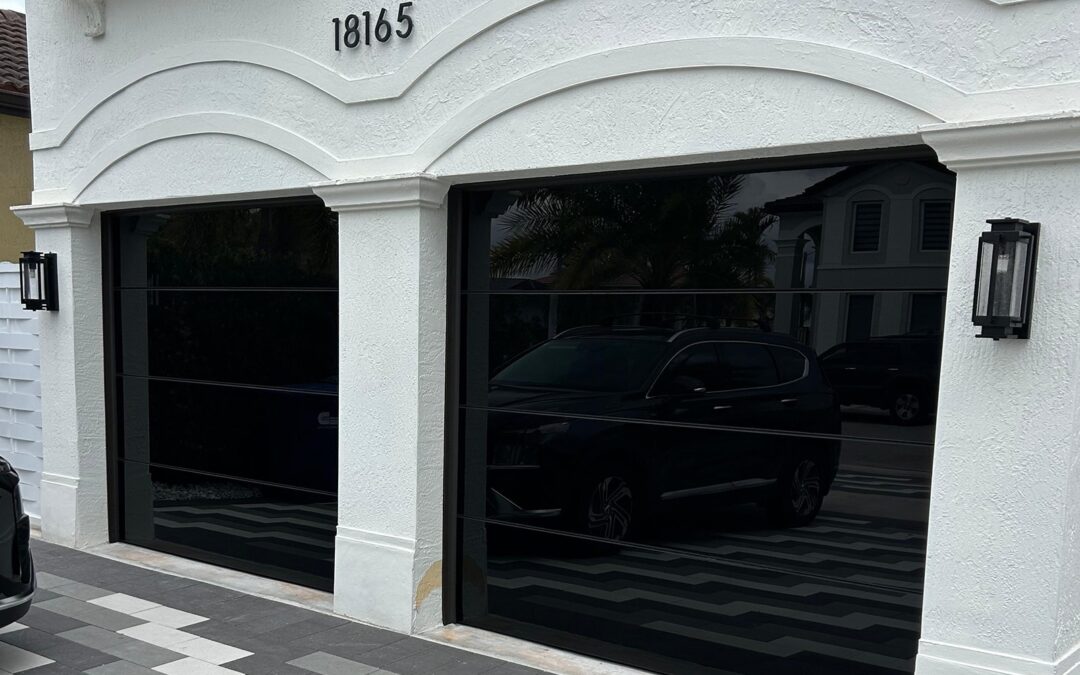
A full-view glass garage door can be a striking choice for a Florida home, but appearance becomes secondary once hurricane protection enters the conversation. If a storm sends debris toward the door or pushes against a large garage opening with extreme wind pressure, you need to know what the entire system is actually designed to withstand.
That is where the terminology can become confusing. A door may be described as impact resistant, hurricane rated, wind rated, or built with laminated glass, but those terms do not necessarily mean the same thing. Even a strong piece of impact glass cannot protect the opening if the frame, tracks, hardware, anchors, or installation are not designed for the forces acting on the door.
Choosing based on a general hurricane claim instead of the specific approval and performance requirements for your property can leave one of the home’s largest exterior openings vulnerable. Garage door failure during high winds can also increase pressure inside a building and contribute to additional damage to walls and the roof.
Understanding how impact glass garage doors, wind-pressure ratings, product approvals, and Florida’s hurricane requirements fit together will help you evaluate whether a particular glass door is appropriate for your home rather than relying on a label that sounds reassuring.
Impact Resistance and Wind Resistance Are Not the Same Thing
One of the most important distinctions when shopping for a hurricane-resistant glass garage door is the difference between debris impact and wind pressure.
Impact resistance addresses what happens when wind-borne debris strikes the door. Wind resistance addresses the pressure pushing or pulling against the complete door assembly.
A hurricane can create both conditions.
An impact-resistant glass panel may be designed so that it remains protective after being struck by specified test debris. However, the door still has to withstand positive and negative wind pressures without the complete system failing.
Florida’s product approval database reflects this distinction clearly. Product listings separately identify whether a door is impact resistant and the positive and negative design pressures for which that particular configuration has been approved. Some garage doors meet wind-load requirements while their standard glazing does not meet impact requirements for wind-borne debris regions.
That is why asking only, “Is this impact glass?” does not provide enough information.
What Makes Impact Glass Different From Regular Garage Door Glass?
Glass garage doors can be built with different glazing materials, and not every strong-looking glass panel is designed for hurricane debris.
Tempered glass, for example, is heat-treated for strength and safety. When it breaks, it is designed to fracture differently from ordinary annealed glass. That does not automatically make it hurricane-impact rated.
Laminated glass uses layers of glass bonded around an interlayer. When the glass breaks, the interlayer can help hold the broken material together rather than leaving an open hole immediately.
All Glass Garage lists laminated, impact-resistant glass among its available glass options and distinguishes laminated glass from tempered glass for applications where additional storm and security performance is desired.
However, laminated construction by itself should not be treated as proof that a particular garage door meets the required impact standard for your property.
The glass, frame, door sections, hardware, and complete assembly need to match the tested and approved configuration.
Why a Garage Door Failure Can Affect More Than the Garage
It is easy to think of hurricane damage to a garage door as a localized problem. If the door bends or breaks, you replace the door.
The consequences can be much larger.
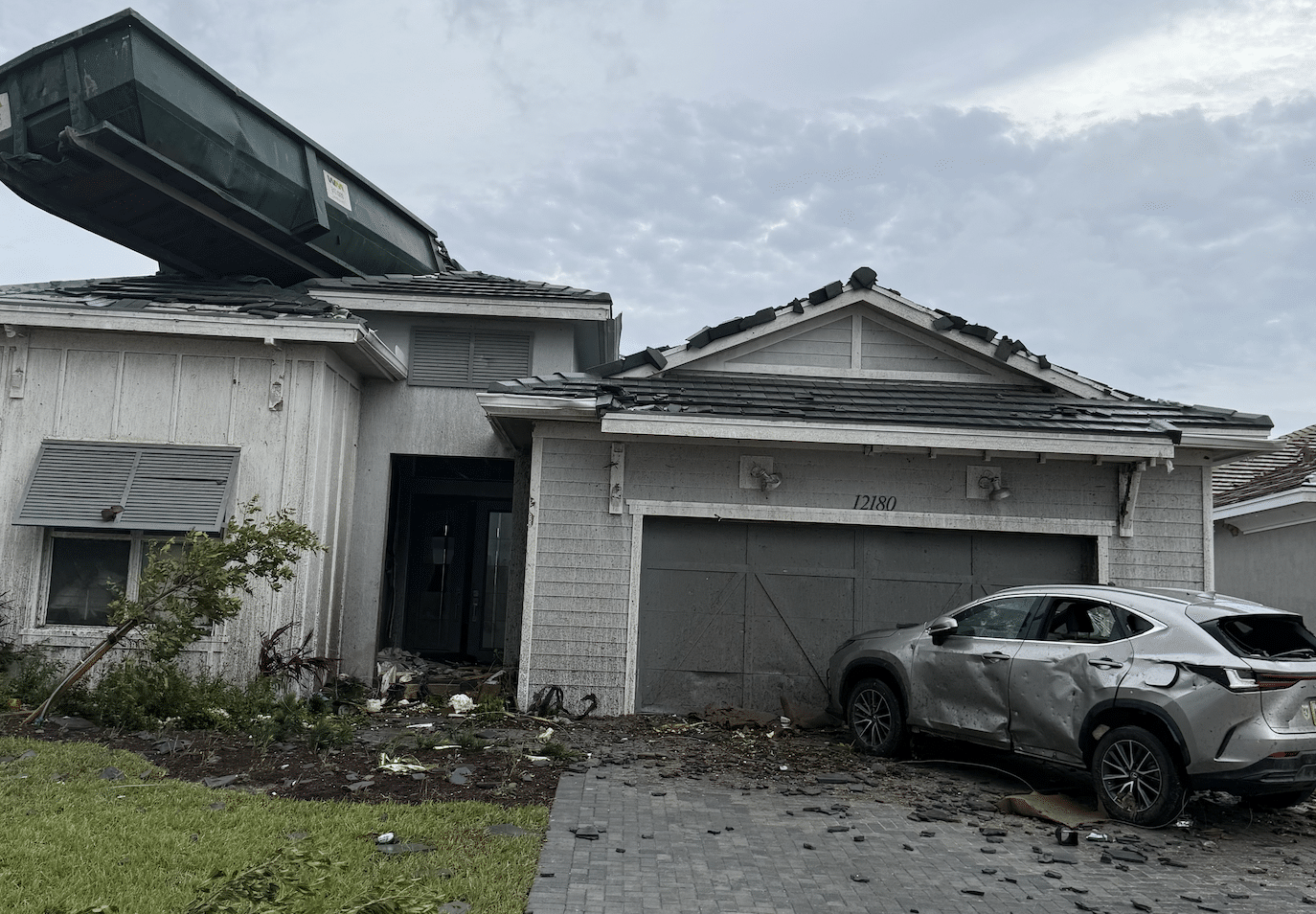
Garage doors create some of the largest openings in residential exterior walls. If a door fails during extreme winds, air can rush into the garage and increase internal pressure within the structure.
Research from the Insurance Institute for Business & Home Safety identifies garage and commercial overhead doors as potential “damage amplifiers.” Their failure can contribute to internal pressurization and additional structural damage. FEMA investigations following past hurricanes have also documented garage-door failure followed by increased internal pressure and damage to building components.
That makes the strength of the complete garage door system important, regardless of whether the door is glass, steel, aluminum, or another material.
A hurricane-rated design is not simply about preventing broken glass. It is about maintaining the integrity of a large building opening under the conditions for which the system was designed.
How Wind Ratings for Garage Doors Work
Homeowners often expect a garage door to have a simple hurricane rating such as “rated for 150 mph.”
Actual wind design is more complicated.
Garage doors are commonly evaluated using design pressure, typically expressed in pounds per square foot (PSF). There is a positive pressure rating and a negative pressure rating because hurricane winds can push against a door and create suction forces pulling away from the building.
The pressure required for your home can depend on several factors, including:
- Property location
- Design wind speed
- Building height
- Exposure to surrounding terrain
- Door location on the structure
- Size of the opening
- Building geometry
- Applicable building code
- Risk category
For that reason, homeowners should be cautious about comparing doors only by a marketing wind-speed number.
Florida’s product approval system lists specific positive and negative design pressures and limits of use for approved products. A configuration may also have maximum dimensions or other restrictions that affect where it can be installed.
The required rating should be matched to the project conditions rather than selected from a generic statewide number.
When Does Florida Require Impact Protection?
As of September 2026, Florida is operating under the 8th Edition (2023) Florida Building Code, which became effective December 31, 2023.
Under the Florida Building Code, glazed openings in applicable wind-borne debris regions generally must be impact resistant or protected by an approved impact-resistant covering. The code references testing standards that include ANSI/DASMA 115 for garage and rolling doors as well as other approved impact standards.
The exact requirements for an individual property can depend on location, project type, building characteristics, whether the work involves new construction or an existing building, and other code provisions.
There can also be exceptions in specific circumstances.
That is why the safest approach is not to assume that every Florida house has identical garage-door requirements. The door should be selected using the requirements established for the specific project and verified through the permitting and approval process.
What Is the High-Velocity Hurricane Zone?
Florida homeowners in Miami-Dade and Broward counties encounter another important term: the High-Velocity Hurricane Zone, commonly shortened to HVHZ.
The Florida Building Code defines the HVHZ as Miami-Dade and Broward counties.
Products intended for these areas may need to satisfy requirements beyond those applicable to certain installations elsewhere in Florida.
A Florida Product Approval can specifically state whether a product is approved:
- For use in the HVHZ
- Outside the HVHZ
- As impact resistant
- At particular positive and negative design pressures
A product approved elsewhere in Florida is therefore not automatically approved for a Miami-Dade or Broward installation.
Miami-Dade also maintains a Product Control system using Notices of Acceptance, commonly called NOAs. The county advises permit applicants to provide current NOAs for applicable products and notes that Florida Building Commission product approvals may also be accepted where appropriate.
For a South Florida homeowner, checking the actual approval is much more useful than simply seeing the phrase “Florida rated” in promotional material.
The Entire Door Must Match the Approved Configuration
Impact-resistant glass gets much of the attention, but the glass is only part of a sectional garage door.
During a hurricane, loads are transferred through the entire assembly.
Components that can affect performance include:
- Glass panels
- Aluminum framing
- Horizontal door sections
- Reinforcing struts
- Hinges
- Rollers
- Tracks
- Jamb brackets
- Fasteners and anchors
- Counterbalance components
- Connections to the building structure
The dimensions matter as well.
You should not assume that because one version of a manufacturer’s door has an approval, every custom size, glass configuration, or frame layout receives the same rating. Product approvals typically define limitations and installation requirements.
Official Florida approval records demonstrate how closely these details can be tied to a specific model, maximum size, glazing option, and design pressure.
This becomes especially important with custom full-view doors because homeowners often want larger panels and wider openings.
The desired architecture has to remain within the tested or engineered requirements for the project.
Installation Is Part of Hurricane Performance
A properly rated door can still perform poorly if it is installed incorrectly.
The tracks and frame have to transfer wind loads into the surrounding structure. Anchors must be appropriate for the substrate and installed according to the approved drawings. Track spacing, fastener locations, reinforcement, and other details may all be specified.
IBHS has documented several causes of garage-door failure, including displacement from tracks, improper installation, panel flexure, connection failures, and debris impacts.
That is why replacing a standard garage door with an impact glass door is not simply a matter of hanging stronger panels from the existing tracks.
The opening and installation conditions need to support the approved system.
For All Glass Garage projects, the company manufactures the doors and works with installation partners. When hurricane performance is required, the specific door configuration, approval information, site requirements, and installation details should be established before the project proceeds.
What to Verify Before Buying an Impact Glass Garage Door
The words “hurricane safe” are too broad to make a purchasing decision.
Before ordering a glass garage door for a Florida property, ask for documentation that lets you compare the product with the actual project requirements.
Verify:
- Whether the exact door is impact resistant
- The impact test or standard it meets
- Positive and negative design pressures
- Maximum approved door dimensions
- Whether the selected glass configuration is included
- Whether it is approved for HVHZ use, if applicable
- Florida Product Approval or applicable NOA information
- Required track and reinforcement configuration
- Installation and anchoring requirements
- Whether additional opening protection is required
Most importantly, make sure you are reviewing the specific configuration you intend to install, not approval information from a similar model.
Are Impact Glass Garage Doors Hurricane-Safe?
Glass garage doors can be designed for demanding Florida hurricane conditions, but hurricane safety cannot be determined from the appearance or strength of the glass alone.
A properly selected impact glass garage door needs to address debris impact, wind pressure, door dimensions, framing, tracks, anchoring, installation, and the requirements that apply to the property’s location.
That distinction is especially important in South Florida, where a door may also need approval for use in the High-Velocity Hurricane Zone.
All Glass Garage offers laminated impact-resistant glass and impact-rated garage door options. Before choosing a design, the next step should be identifying the performance requirements for your property and confirming that the exact door configuration and installation meet them.
Frequently Asked Questions About Impact Glass Garage Doors
Are all glass garage doors hurricane resistant?
No. Glass garage doors can be manufactured with different glass, framing, hardware, and wind ratings. Some are impact resistant, while others may meet wind-pressure requirements but require separate protection from wind-borne debris.
Is tempered glass hurricane impact glass?
Not automatically. Tempered glass is strengthened for safety and breakage performance, but hurricane-impact resistance requires the specific glazing and door assembly to meet applicable testing and approval requirements.
Is laminated glass better for hurricanes?
Laminated glass is commonly used in impact-resistant systems because an interlayer helps hold fractured glass together. However, the complete garage door must still have the appropriate testing and approval. Laminated glass alone does not make an entire door hurricane rated.
What is the difference between impact rated and wind rated?
Impact rating addresses resistance to wind-borne debris. A wind rating addresses pressure acting against the door. In areas where both hazards apply, the garage door may need to satisfy both requirements.
What does positive and negative design pressure mean?
Positive pressure pushes toward the building, while negative pressure creates suction pulling outward on the door. Garage door approvals may provide separate PSF ratings for each condition.
Can I determine the right garage door from the wind speed in my city?
Wind speed is only one factor. Door size, building height, exposure, location on the building, design criteria, and other variables can affect required pressures. The project requirements should be determined for the specific property.
Do impact glass garage doors need shutters?
A garage door that is approved as impact resistant for the applicable installation may not require separate impact protection. A non-impact glazed door in an area requiring wind-borne debris protection may need an approved covering or another code-compliant approach.
Are Miami-Dade approved garage doors different?
Miami-Dade is part of Florida’s High-Velocity Hurricane Zone, along with Broward County. Products used there may need specific HVHZ approval and must satisfy the requirements applicable to the project.
What is a Miami-Dade NOA?
A Notice of Acceptance, or NOA, is part of Miami-Dade County’s Product Control approval system. It provides information about an approved product, including its tested configuration, impact classification, pressures, dimensions, and limits of use where applicable.
Does an impact garage door protect the roof?
It cannot guarantee that a roof will avoid hurricane damage. However, preventing garage-door failure helps maintain the building envelope and reduces the risk of the internal pressurization that can contribute to additional roof and wall damage.
Can I install impact glass panels in my existing garage door?
Adding impact glass panels does not necessarily make an existing door impact rated. The complete assembly, including door sections, framing, tracks, hardware, anchors, and glazing, must correspond with an approved or properly engineered configuration.
How can I tell whether a garage door has Florida Product Approval?
Florida’s Building Code Information System provides a searchable Product Approval database. Listings can show the product’s FL number, impact-resistance status, HVHZ eligibility, design pressures, installation documents, and limits of use.