
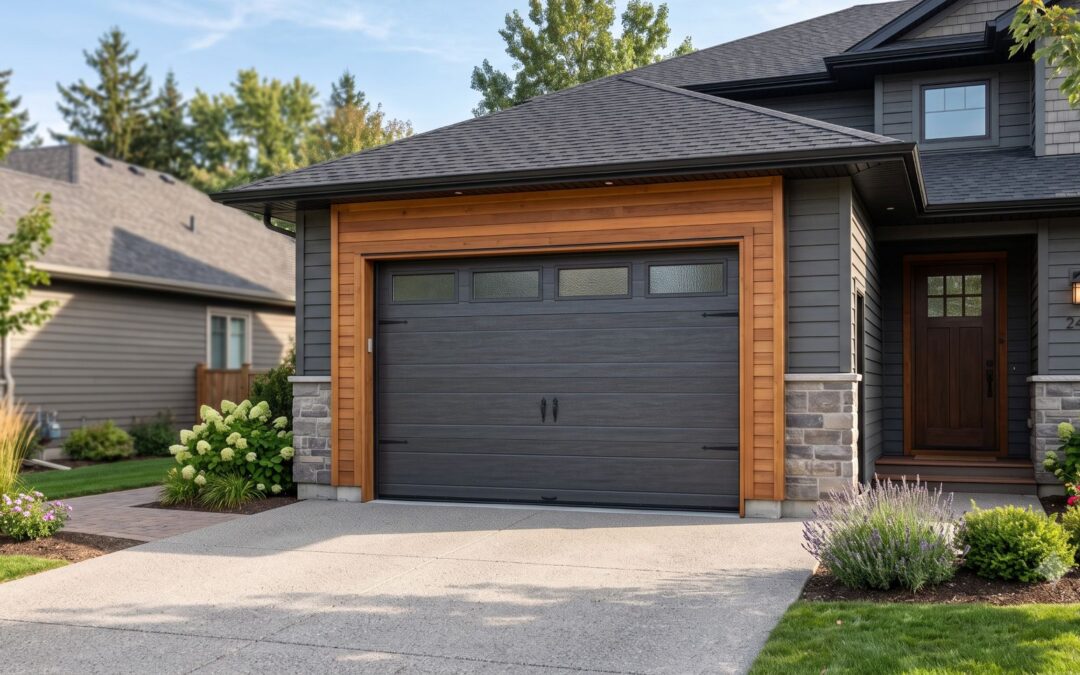
Roll up garage doors are standard in commercial and industrial buildings. In residential settings, they are less common than sectional overhead doors, but that gap is closing as homeowners discover what roll up doors do well and where they outperform the door type most homes come with.
The insulated version adds a layer of complexity to the decision. Insulation adds cost, weight, and specific performance benefits that matter in some situations and add very little value in others. Whether insulated roll up garage doors residential buyers are considering are worth the investment depends almost entirely on how the garage is used, where the home is located, and what the garage connects to.
This guide covers how insulated roll up garage doors work, who genuinely benefits from the insulation, how clear and modern residential configurations fit into the category, what adding a pedestrian door changes about the installation, and how to decide whether a roll up door is the right choice for a specific home.
How Roll Up Garage Doors Differ From Sectional Doors
Most residential garage doors are sectional. They consist of four or five horizontal panels connected by hinges, and they travel along a track that curves from vertical at the opening to horizontal along the ceiling. When open, a sectional door sits parallel to the ceiling and requires a defined amount of headroom and backroom to operate.
A roll up garage door operates differently. Instead of panels traveling along a track, the door consists of interlocking slats that coil around a drum mounted above the opening. When the door opens, the slats roll onto the drum. When it closes, they unroll back into position.
The practical differences between the two configurations matter for specific situations:
Headroom. A sectional door requires 10 to 12 inches of headroom above the opening for the horizontal track and the top panel when open. A roll up door requires only the space the drum takes up, which is typically less, and it does not need horizontal track running back along the ceiling. For garages with limited ceiling height or obstructions near the opening, a roll up door often fits where a sectional door cannot.
Backroom. A sectional door in the open position extends back along the ceiling for the full height of the door. A roll up door concentrates the open-door mass at the drum above the opening, freeing the ceiling space behind it. For garages used as workspaces where ceiling-mounted equipment, storage systems, or lighting would be blocked by a sectional door in the open position, the roll up configuration has a clear operational advantage.
Durability. Roll up doors have fewer moving parts than sectional doors. There are no hinges between panels, no rollers running along a track, and no torsion springs managing the balance of multiple sections. The slat-and-drum system is straightforward and, in commercial applications, is rated for far higher cycle counts than residential sectional doors. Residential roll up doors inherit the durability benefits of that design.
Opening profile. A sectional door in the open position has a visible profile along the ceiling from inside the garage. A roll up door concentrates that profile at the drum, which many homeowners and designers find cleaner, particularly in modern residential designs where the garage interior is part of the home’s visual identity.
What Insulation Adds to a Roll Up Garage Door
Standard roll up garage doors use single-layer steel or aluminum slats without insulation. Insulated roll up garage doors add a foam core to the slats, sandwiched between the exterior and interior steel faces, creating a panel that resists heat transfer rather than simply blocking air movement.
Thermal Performance
The insulation value of a garage door is measured by its R-value. A higher R-value means better resistance to heat transfer. Standard non-insulated roll up slats have an R-value near zero. Insulated residential roll up doors typically offer R-values ranging from R-6 to R-18, depending on the foam density and slat thickness.
For garages that are conditioned spaces, meaning they have heating, cooling, or both, insulation directly affects how hard the HVAC system works to maintain temperature. A non-insulated door is essentially a large hole in the thermal envelope of the conditioned space. An insulated door closes that gap meaningfully, and the energy cost difference compounds over time.
For unconditioned garages used primarily for parking, the insulation benefit is more modest. The door reduces heat gain or loss at the opening, but if the rest of the garage structure is uninsulated, the door alone does not create a thermally stable environment.
Noise Reduction
Insulated slats dampen sound transmission and operating noise compared to single-layer slats. The foam core absorbs vibration, which reduces the mechanical noise the door makes when operating and also reduces the transmission of exterior sound through the closed door.
For attached garages where the garage wall is shared with a bedroom, living area, or home office, the noise reduction benefit of insulated slats is meaningful in daily use, independent of any thermal consideration.
Panel Rigidity
The foam core in an insulated slat makes it structurally stiffer than a single-layer equivalent. Stiffer slats resist wind load better, flex less during operation, and hold their shape more consistently over time. In climates with significant wind exposure, the structural benefit of insulation adds to the door’s performance beyond the thermal effect.
Who Actually Needs an Insulated Roll Up Garage Door
The honest answer is not everyone. Insulation adds cost, and for some homeowners, the performance benefit does not justify it. Here is a straightforward breakdown of who genuinely benefits.
Homeowners With Conditioned or Habitable Garages
If the garage has air conditioning, heating, or both, and the space is used as a gym, studio, workshop, home office, or additional living area, insulation is not optional. It is a basic requirement for making the thermal investment in conditioning the space worthwhile. A non-insulated roll up door in a conditioned garage is one of the largest sources of thermal loss in the structure.
Homeowners With Attached Garages and Shared Living Walls
The garage wall shared with a bedroom, bathroom, or frequently used living space benefits from any noise reduction the door can provide. An insulated roll up door reduces both the operational noise of the door itself and the transmission of outside noise through the door. For homeowners who work from home or have light sleepers in rooms adjacent to the garage, this is a quality-of-life consideration with a clear daily benefit.
Homeowners in Climates With Significant Heat Exposure
Florida homeowners face a specific version of this consideration. The concern is not cold insulation in winter but heat gain in summer. A garage facing south or west that receives direct afternoon sun generates significant radiant heat through an uninsulated door, making the space uncomfortable and increasing the load on any adjacent conditioned areas. An insulated door with a reflective exterior surface reduces that heat gain substantially.
Homeowners Replacing a Door in a High-Cycle Application
Garages that cycle frequently, four or more times per day, benefit from the structural durability of insulated slats. The foam core reduces slat fatigue over time and contributes to a longer service life under high-cycle conditions.
Homeowners Who Do Not Need Insulation
For a detached, unconditioned garage used only for parking in a mild climate, the performance benefit of insulation is limited. The door will reduce some heat gain and noise, but if the rest of the garage structure is uninsulated and unconditioned, the door’s contribution to thermal performance is marginal. In this situation, a high-quality non-insulated roll up door is often the more practical choice, and the cost difference can go toward other aspects of the project.
Clear Roll Up Garage Doors for Residential Use
A clear roll up garage door replaces the standard steel or aluminum slats with panels made from polycarbonate or tempered glass, creating a door that is fully or largely transparent when closed.
The residential appeal of clear roll up garage doors is primarily architectural. A clear door on a modern home dissolves the visual barrier between the garage interior and the exterior, creates an indoor-outdoor connection when the door is open, and allows natural light into the garage space throughout the day.
The practical considerations for clear roll up doors are different from steel alternatives:
Light and heat. A clear polycarbonate or glass door transmits significantly more solar radiation than a steel door with even a light tint. For south or west-facing garages, this can create a greenhouse effect that makes the interior uncomfortably hot during peak sun hours. Tinted or coated clear panels reduce this effect, and an insulated clear panel with a thermal break performs better than single-layer polycarbonate, though insulated clear options are less widely available and more expensive than standard clear panels.
Privacy. A fully clear door provides no visual screening when closed. Homeowners who use the garage as a habitable space, store valuables, or simply prefer that the interior not be visible from the street should consider tinted or textured clear panels rather than fully transparent options.
Maintenance. Polycarbonate panels scratch more easily than steel and may yellow or haze over time with UV exposure. Glass panels are more durable but heavier, which affects the drum size and operator requirements. Specifying UV-resistant polycarbonate or tempered glass with appropriate coatings extends the useful life of the panels.
Design fit. Clear roll up garage doors read as a strong architectural statement. They work best on contemporary and modern homes where the transparency is an intentional design element rather than an addition to a traditional facade.
Modern Residential Roll Up Garage Doors
Modern residential roll up garage doors have expanded beyond the utilitarian corrugated steel doors most people associate with the category. Current residential roll up door options include:
Flat-panel steel slats with powder-coated finishes in contemporary colors, including matte black, charcoal, white, and custom architectural tones. These doors read as clean and intentional on modern facades and carry none of the industrial aesthetic of traditional corrugated slats.
Wood-look finishes that apply a realistic wood grain texture and color to steel or aluminum slats. These bring warmth to a contemporary design without the maintenance requirements of real wood, which is significant in Florida’s humidity and UV environment.
Aluminum slat systems that are lighter than steel, naturally corrosion-resistant without additional coating, and available in a range of finishes. Aluminum roll up doors are well-suited to coastal installations where salt air accelerates corrosion on steel surfaces not properly treated or maintained.
Mixed material designs that combine steel or aluminum slats with glass or polycarbonate inserts, creating a door that has the structural continuity of a slat system with sections of transparency. These designs bring natural light into the garage while maintaining more privacy and thermal control than a fully clear door.
The common thread in modern residential roll up garage doors is that the finish, color, and surface treatment are treated as design decisions rather than defaults. A roll up door specified with the same attention to finish and detail as the rest of the home’s exterior can read as a cohesive architectural element rather than an afterthought.
Roll Up Garage Door With Pedestrian Door
A roll up garage door with pedestrian door integrates a standard walk-through entry into the roll up door assembly, allowing access without operating the full door.
This configuration solves a specific problem. Roll up doors are excellent at what they do, but operating a full garage door for a quick entry or exit is unnecessary and adds wear to the system. A pedestrian door built into the roll up assembly gives homeowners a convenient pass-through that does not require the main door to move.
Several installation considerations apply to this configuration:
Structural integration. The pedestrian door interrupts the slat pattern of the roll up door and requires a reinforced frame within the door assembly. The surrounding slats must be designed to transfer load around the pedestrian door opening without creating weak points in the panel structure.
Roll up drum sizing. A roll up door with a pedestrian door integrated into it is heavier and more structurally complex than a standard roll up door of the same size. The drum, shaft, and operator must be sized to handle the additional weight and the different load distribution created by the pedestrian door frame.
Swing direction. The pedestrian door within a roll up assembly typically swings inward, which means the floor area immediately inside the door needs to be clear of vehicles, storage, or other obstructions when the pedestrian door is in use. Buyers should confirm the swing direction during the specification phase and plan the garage layout accordingly.
Weather sealing. The perimeter of the pedestrian door within the roll up assembly requires its own weather sealing system independent of the main door’s bottom seal and side seals. A properly sealed pedestrian door maintains the thermal and weather performance of the full assembly.
How to Decide If a Roll Up Door Is Right for Your Home
A roll up garage door is worth specifying over a sectional door when one or more of the following applies:
The garage has limited headroom or ceiling obstructions that make a sectional door impractical. The roll up configuration’s compact open profile solves this without structural modification.
The garage ceiling is used for storage, equipment mounting, or lighting that a sectional door’s horizontal track would block. Roll up doors free the ceiling for uses that a sectional door prevents.
The home’s design calls for a clean, contemporary look without the horizontal panel lines of a sectional door. A flat-panel roll up door or a clear roll up door achieves a different visual result that modern architectural designs often call for.
The garage cycles frequently enough that the roll up system’s durability advantage over a sectional door is worth the cost difference.
A pedestrian entry within the door panel is a priority and a man door in the garage wall is not a practical option.
Where a sectional door still makes more sense: when the budget is tighter and the garage has standard headroom, when the home’s exterior is traditional and the roll up aesthetic does not fit, or when the garage is used exclusively for parking and the performance advantages of a roll up system do not translate into daily operational benefit.
Get the Right Door for How You Actually Use the Space
The decision between an insulated roll up door, a clear panel configuration, a modern flat-panel design, or a pedestrian door integration is not a product preference question. It is a use case question. The right answer depends on how the garage is used, what the home’s exterior calls for, and what the installation conditions allow.
All Glass Garage Doors works with residential buyers to match the right door type and specification to the actual conditions of each project. Contact us to schedule a consultation and get a clear recommendation before you order.
Frequently Asked Questions
What are insulated roll up garage doors for residential use?
Insulated roll up garage doors for residential use are roll up doors with a foam core built into each slat, adding thermal resistance, noise reduction, and structural rigidity compared to single-layer slats. They are available in steel and aluminum construction with a range of finishes and R-values, and they serve residential applications that require more thermal performance than a standard roll up door provides.
How do roll up garage doors differ from sectional garage doors?
Roll up garage doors use interlocking slats that coil onto a drum above the opening, requiring less headroom and no horizontal ceiling track. Sectional doors use hinged panels that travel along a curved track from vertical at the opening to horizontal along the ceiling. Roll up doors free the ceiling space, have fewer moving parts, and are better suited to garages with limited headroom or ceiling-mounted equipment.
Who actually needs an insulated roll up garage door?
Homeowners with conditioned or habitable garages, attached garages with shared living walls, south or west-facing garages in high-sun climates, and high-cycle applications benefit most from insulation. Homeowners with detached, unconditioned garages used only for parking in mild climates will see limited performance benefit from insulation and may be better served by a quality non-insulated door.
What is a clear roll up garage door?
A clear roll up garage door uses polycarbonate or tempered glass panels instead of steel or aluminum slats, creating a transparent or largely transparent door. Clear doors are primarily an architectural choice that allows natural light into the garage and creates an indoor-outdoor connection. Solar heat gain, privacy, and panel maintenance are considerations that differ significantly from standard opaque doors.
What are modern residential roll up garage doors made of?
Modern residential roll up garage doors are available in flat-panel steel with powder-coated finishes, aluminum with natural or coated surfaces, wood-look textured steel or aluminum, and mixed-material designs that combine slats with glass or polycarbonate inserts. Contemporary finishes in matte black, charcoal, and architectural whites have expanded residential design options well beyond traditional corrugated steel.
What is a roll up garage door with a pedestrian door?
A roll up garage door with pedestrian door integrates a standard walk-through entry into the roll up door assembly, allowing access without operating the full door. The integration requires a reinforced frame within the slat assembly, appropriate drum and operator sizing for the additional weight, and independent weather sealing around the pedestrian door perimeter.
Are roll up garage doors more durable than sectional doors?
In general, yes. Roll up doors have fewer moving parts than sectional doors. There are no panel-to-panel hinges, no rollers running along a track, and no torsion spring system managing panel balance. The slat-and-drum system is straightforward and rated for higher cycle counts in commercial applications. Residential roll up doors carry those durability advantages into home installations.
Do roll up garage doors require less headroom than sectional doors?
Yes. A sectional door requires 10 to 12 inches of headroom above the opening for the horizontal track and the top panel. A roll up door requires only the space the drum takes up above the opening and does not need horizontal track running along the ceiling. For garages with limited ceiling height or obstructions near the top of the opening, a roll up door often fits where a sectional door cannot.
How much do residential roll up garage doors cost?
Residential roll up garage door cost varies by material, insulation level, size, and finish. A standard non-insulated steel roll up door in a common residential size starts in the $1,500 to $3,000 installed range. Insulated versions with higher R-values, modern flat-panel finishes, or clear panel configurations run from $3,000 to $8,000 or more depending on specification. Custom sizing, pedestrian door integration, and premium finishes add cost beyond the base door price.
Is a roll up garage door right for a modern home?
It can be. Modern residential roll up garage doors with flat-panel steel or aluminum slats, powder-coated architectural finishes, or clear panels complement contemporary home designs well. The clean profile of a roll up door in the open position and the absence of horizontal panel lines work with modern facades in a way that traditional sectional doors often do not. Whether a roll up door fits a specific modern home depends on the facade design, the available headroom, and how the garage is used.